
Neural Foraminal Stenosis: Causes, Symptoms & Treatment on Long Island

Neural foraminal stenosis occurs when the small openings in your spine, called foramina, narrow and compress the nerves that pass through them. These nerves carry signals from your spinal cord to your arms, hands, legs, and feet. When the nerves are compressed, it can lead to pain, numbness, tingling, or weakness in these areas.
This condition most often develops due to age-related spinal changes, but it can also be caused by herniated discs, bone spurs, arthritis, or spinal injuries. If left untreated, neural foraminal stenosis may affect mobility and overall quality of life.

What Causes Neural Foraminal Stenosis?

Neural foraminal stenosis develops when spinal structures narrow the nerve passageways.

Common causes include:

  • Degenerative disc disease – discs lose height and cushion with age
  • Bone spurs – bony growths that compress nerves
  • Herniated or bulging discs – discs press against nearby nerves
  • Arthritis – osteoarthritis or rheumatoid arthritis affecting the spine
  • Spinal injuries or trauma – accidents that damage the vertebrae or discs
Understanding the underlying cause is key to effective treatment.
neural foraminal stenosis OSCLI
What Causes Neural Foraminal Stenosis? Ortho Spine Care Long Island

Symptoms of Neural Foraminal Stenosis

Symptoms can vary depending on the location and severity of nerve compression, but common signs include:
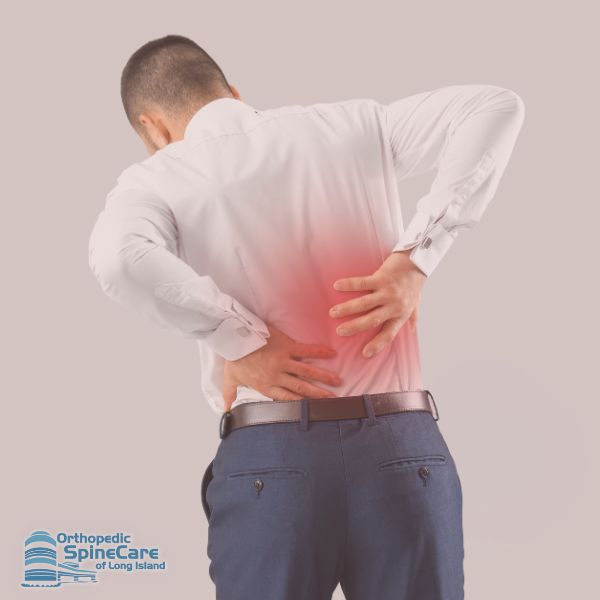
  • Chronic neck or back pain
  • Radiating pain into the arms or legs
  • Numbness or tingling in hands, arms, legs, or feet
  • Muscle weakness
  • Trouble walking or maintaining balance
  • Burning or “pins and needles” sensations

If you’re experiencing these symptoms, it’s important to seek evaluation from a spine specialist.

Treatment Options for Neural Foraminal Stenosis

Treatment depends on the severity of symptoms and the cause of nerve compression. At Orthopedic Spine Care of Long Island, we offer a range of options from non-surgical to minimally invasive procedures.

1. Lifestyle Changes & Exercise

Low-impact exercises can strengthen the muscles supporting your spine, improve flexibility, and reduce nerve pressure. Maintaining a healthy weight may also relieve stress on the spinal nerves.

2. Physical Therapy

Personalized physical therapy programs target specific muscles to improve spinal alignment, mobility, and strength while reducing pain and numbness.

3. Medications & Injections

Over-the-counter or prescription medications can manage pain and inflammation. Corticosteroid injections may be used for more severe symptoms to calm irritated nerves.

4. Surgical Options

If conservative treatments aren’t effective, minimally invasive surgery may be recommended to widen the foramina and relieve nerve compression. These procedures aim to restore mobility, reduce pain, and facilitate faster recovery.
Our team will work with you to determine the most appropriate path forward based on your imaging, symptoms, and goals — with surgery recommended only when indicated.

Why Choose Orthopedic Spine Care of Long Island?

If you’re experiencing neck, arm, back, or leg symptoms that may point to neural foraminal stenosis, Orthopedic Spine Care of Long Island is here to help. Established in 1999, we’ve been treating patients with back and neck disorders across all of Long Island for over 25 years. We offer the full continuum of care — from non-operative and minimally invasive pain management to surgical intervention when needed — all tailored to your specific situation, with on-site X-Ray, MRI, and CT scanning available.

Ready to find relief? Call us at (631) 847-0200 or request an appointment online today.

Skip to content